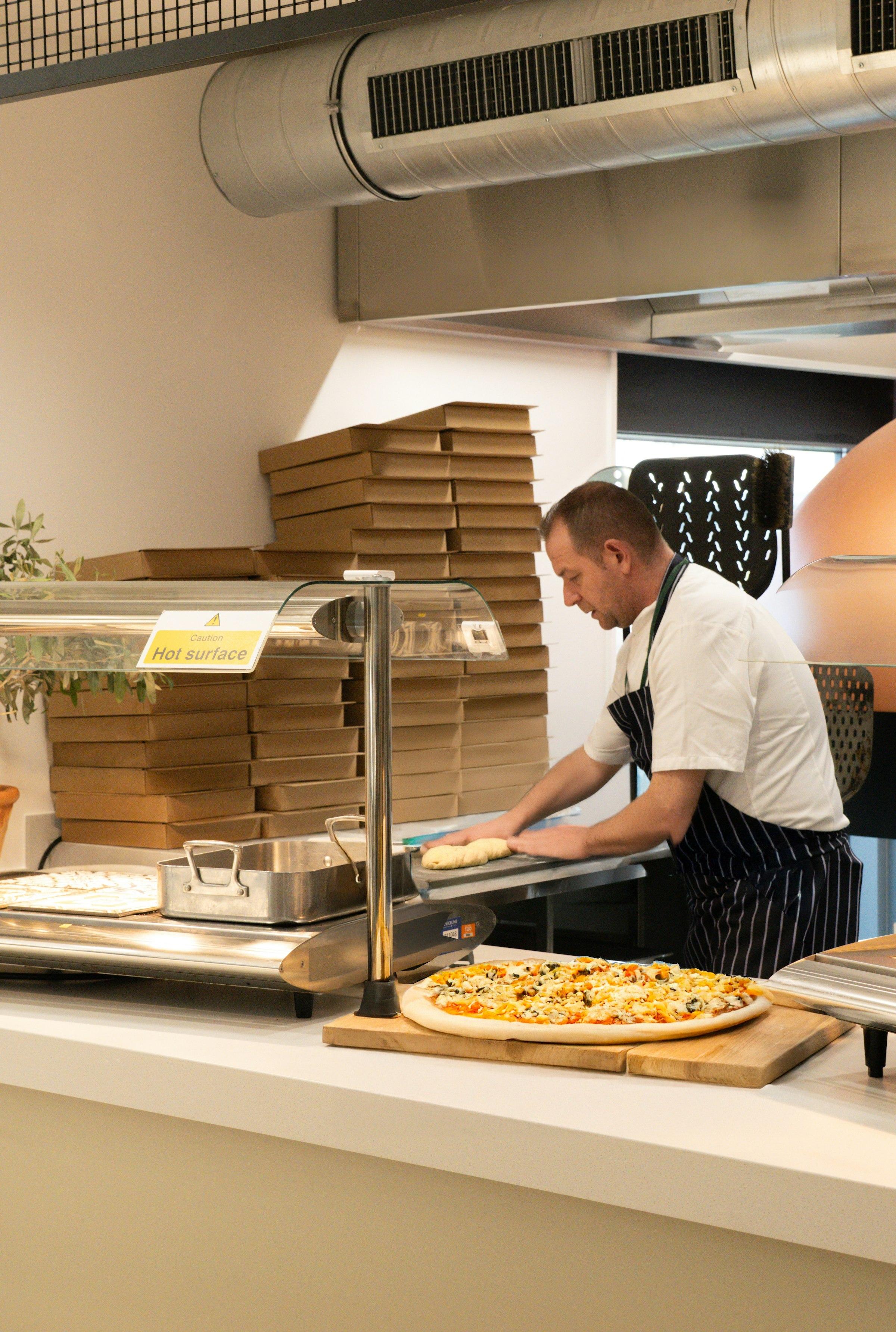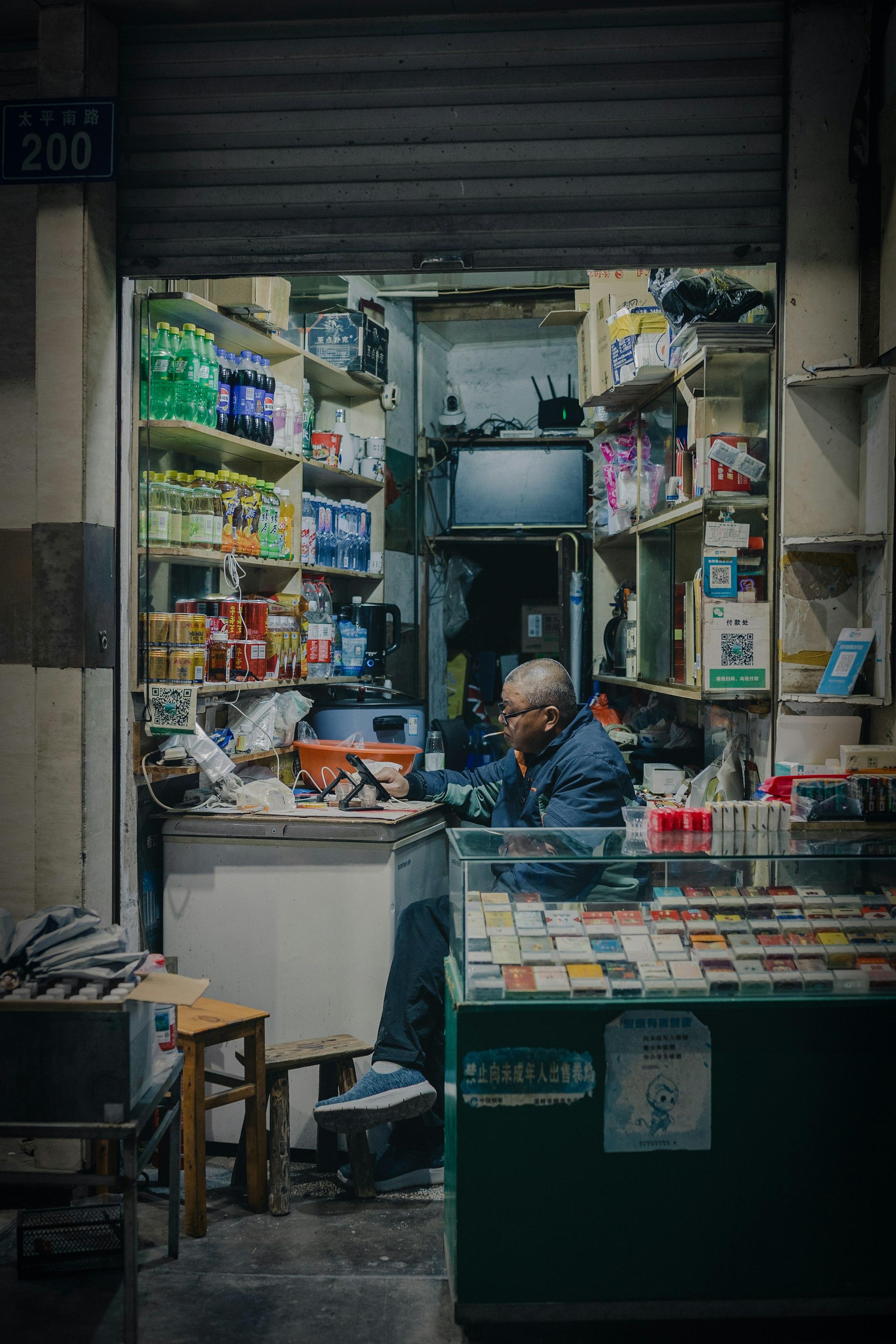



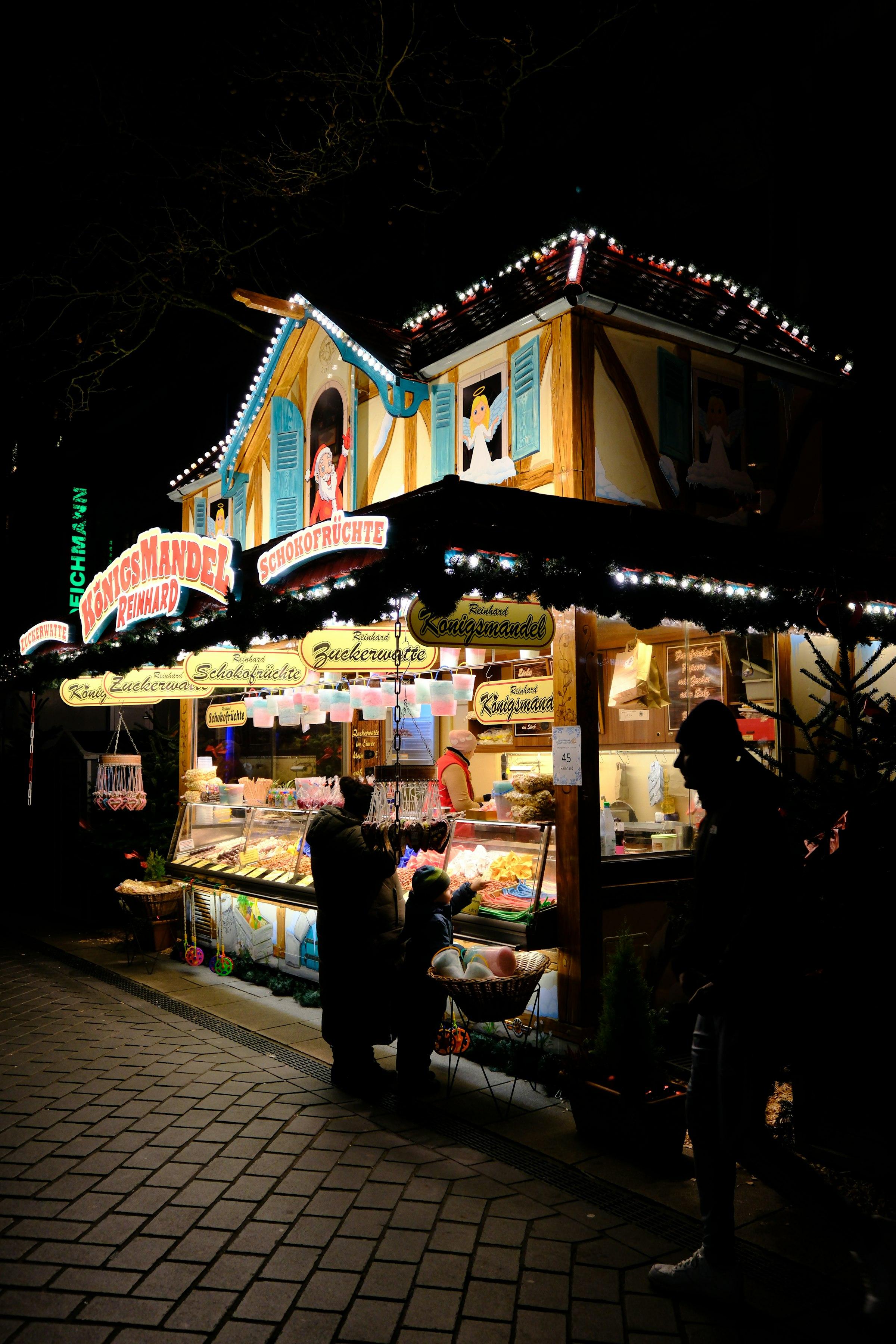
Christmas markets and Hanukkah fairs are opening across the country and the winter trade show calendar is filling up. For a merchant, a stall or a pop-up can put you in front of more customers in a weekend than your website sees in a month, and short-term business loans can cover the costs that land first.
It can also squeeze months of spending into a few days of selling. Deposits, stock, stand costs and staff time all go out before the first sale. Because the window is short, the commercial test needs to be clear before you commit.
Decide what the event must achieve
Direct sales are only one possible return. An event might be about winning new customers, testing a location, meeting wholesale buyers, launching a range or building a mailing list. Each purpose needs its own budget and its own measure of success.
If the goal is sales, set the contribution you need after all direct costs. If it is customer acquisition, decide how many good contacts you need and how many should buy later. If it is a location test, collect postcode and product interest data. An event becomes impossible to judge when the purpose changes after the results come in. Write the purpose and the measure on one line before you book, and share it with everyone working the stand.
Cost the event from the ground up
The pitch fee is often the smallest part. Add registration, travel, accommodation, stand build, furniture, power, connectivity, card fees, insurance, transport, storage, packaging, samples, staff time and follow-up. Include the cost of stock you may have to discount if it does not sell.
Then add the opportunity cost. What normal activity will slow down while the team prepares and attends? Will the shop or warehouse need extra cover? The full figure is often much higher than the visible fee.
Set a break-even target you can serve
Work out the contribution from an average sale after product cost, card fees and event fulfilment, then divide the total event cost by it. That tells you how many sales you need to cover the event.
For example, if a stall costs £3,000 all in and each sale contributes £15, you need 200 sales to break even. Over a two-day market, that is 100 a day. Can your stand, team and card readers handle that pace? Do you have enough of the right stock? A target you cannot physically serve is not a target. It is a hope.
Get the stock and follow-up right
Bringing too little wastes the opportunity, while too much leaves you with boxes to carry home. Use past event data if you have it. If not, build around a core of proven products with a smaller allocation of new lines, For retail and e-commerce businesses, make sure any unsold stock has a clear route back through the shop or website.
Plan the follow-up before you go. Decide how you will record customer permission and product interest, who will follow up and by when. Wholesale conversations should end with agreed next steps and a meeting date. Consumer contacts need a reason to stay in touch, such as early access or a restock message.
Short-term funding for the window, not a hope
Short-term business loans can help secure stock, space or production for a valuable window, as long as the amount is tied to the event budget and a realistic recovery path. When we look at a request like this, we want to understand the objective, the total cost, the break-even point and the value you expect afterwards. Check the timing too: funding should arrive before deposits fall due, and repayments should reflect when event takings and any follow-on orders will reach your account.
A short event deserves serious planning. With a measurable purpose, a complete budget and a follow-up plan ready, a few days in a temporary space can create benefits that last well beyond the final day.
Frequently asked questions
Work out the contribution from an average sale after product cost, card fees and event fulfilment, then divide the total event cost by it. If a stall costs £3,000 all in and each sale contributes £15, you need 200 sales to break even. Over a two-day market that is 100 a day, so check your stand and team can serve that pace.
The pitch fee is often the smallest part. Add registration, travel, accommodation, stand build, furniture, power, connectivity, card fees, insurance, transport, storage, packaging, samples, staff time and follow-up, plus any stock you may have to discount. Then add the opportunity cost of normal activity that slows down while the team prepares and attends.
Short-term business loans can help secure stock, space or production for a valuable trading window, as long as the amount is tied to the event budget and a realistic recovery path. Check the timing too: funding should arrive before deposits fall due, and repayments should reflect when event takings and any follow-on orders will reach your account.
Every application is assessed individually. Amounts, terms and timing are confirmed in a written offer before you decide whether to proceed.